

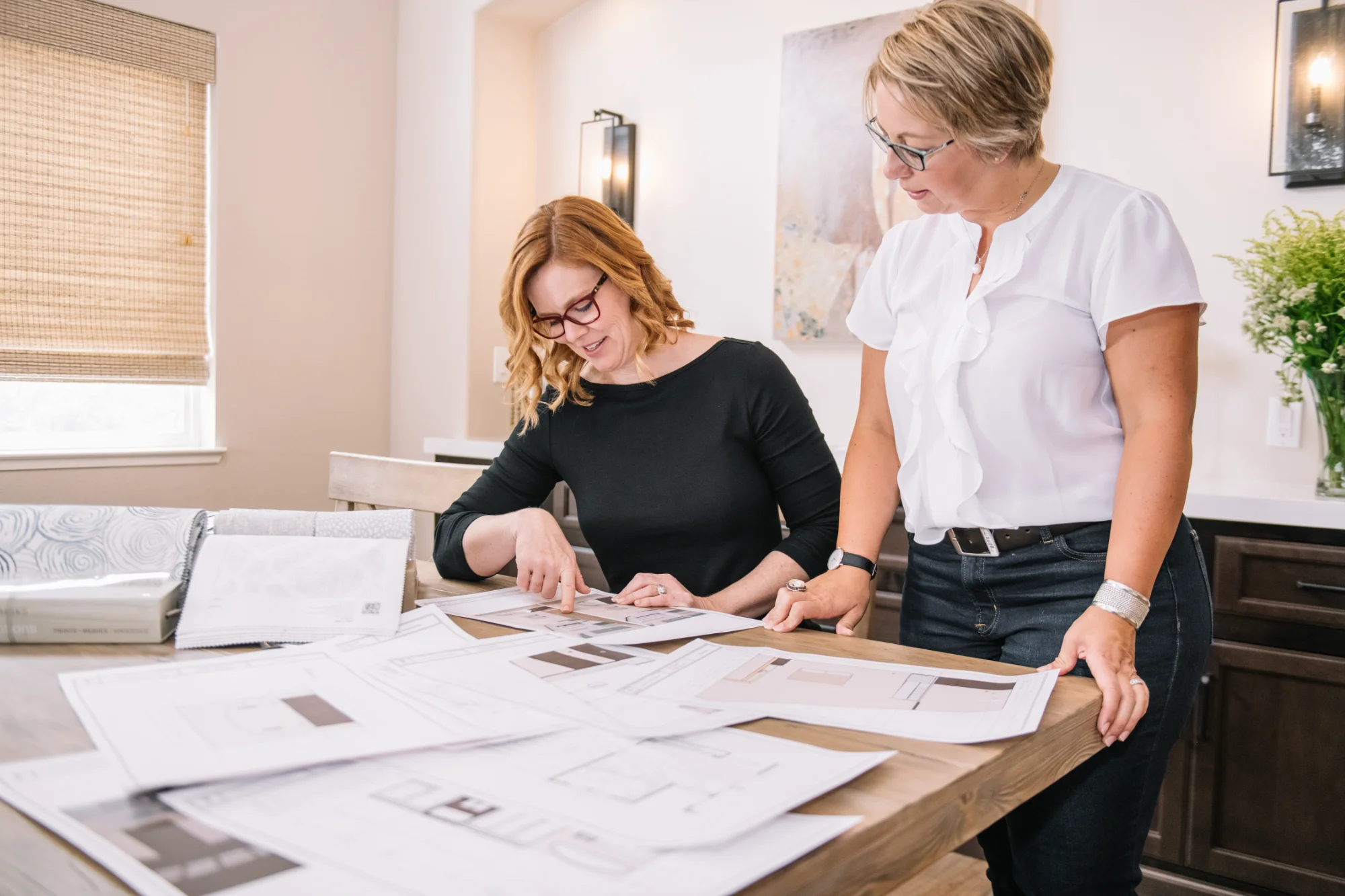
You have a vision for your home: maybe it is a kitchen that finally works for the way your family actually lives, or a primary suite that feels considered rather than forgotten. What can feel uncertain is how to get from that vision to a finished room. And that uncertainty is where many remodeling projects quietly start to unravel.
Not during construction. Before it.
The solution is simpler than you might expect. It starts with a design document, a written and visual record of everything going into your remodel that captures your vision, defines the scope of work, and gives your contractor something real to price. Not a mood board or a folder of inspiration images, but a specific, organized plan detailed enough that every person on your project team can work from it with confidence.
Whether you are working with a full-service designer, bringing your own contractor to the table, or planning to manage the project yourself, this document is what holds everything together. Here is what that process looks like and why it matters more than you might realize going in.
Gathering inspiration can be exciting: images saved to your phone, screenshots from design accounts, or a folder of ideas that reflect the general direction you want to go. But inspiration alone cannot be handed to a contractor. It can’t be priced, permitted, or built. Before any of that can happen, your ideas need to be translated into something specific and written down.
Think about what it means to hire a contractor with nothing more than a folder of photos and a general idea. They would have to make a long list of assumptions just to give you an estimate. What layout are we working with? What materials? What appliances? What level of finish? Every unanswered question becomes a variable, and variables cost money. Contractors protect themselves from unknowns by building that protection into their numbers, through higher estimates, vague allowances, or change orders that surface once work is underway.
The more that is documented before construction begins, the more accurately your project can be priced. And the more accurately it can be priced, the fewer unwelcome surprises there are along the way.
The real value of a design document is not just what it captures at the start. It is how it continues to guide every decision, every trade, and every stage of the project from the first conversation to the finished project. This approach is best suited for homeowners planning a meaningful remodel who want decisions organized before a build, not during it. Here is what that looks like in practice.
The consult phase looks straightforward from the outside: an in-home visit, some conversation, and a few measurements. But everything gathered here becomes the foundation for the entire document.
This is also where the questions that really matter get asked. Not just: what do you want the space to look like? But how does your family actually use it? Who cooks and how often? Do your kids need access to snacks without interrupting meal preparation? Do you entertain regularly?
A kitchen designed around how your family truly lives feels different from one designed around how it looks on screen. The consult is where that understanding is captured before anything else begins.
This is the phase where your loose collection of ideas becomes something real. Everything gathered during the consult gets organized into one comprehensive document. Your lifestyle notes, your inspiration images, your room measurements, all of it comes together into a single plan specific enough to hand to a contractor and ask the question that matters most: Does this scope align with your budget? If the numbers work, the project moves forward. If they don't, adjustments happen on paper while everything is still flexible.
For some homeowners, the MasterPlan is the complete deliverable. It gives you a documented concept, a realistic budget assessment, and a clear plan to take to your own contractor or manage the project independently. For others, it is the first step in a full-service engagement where the document continues to evolve through selections, detailed drawings, and a complete construction set. Either way, the MasterPlan is where clarity begins.
Learn more about our MasterPlan service.
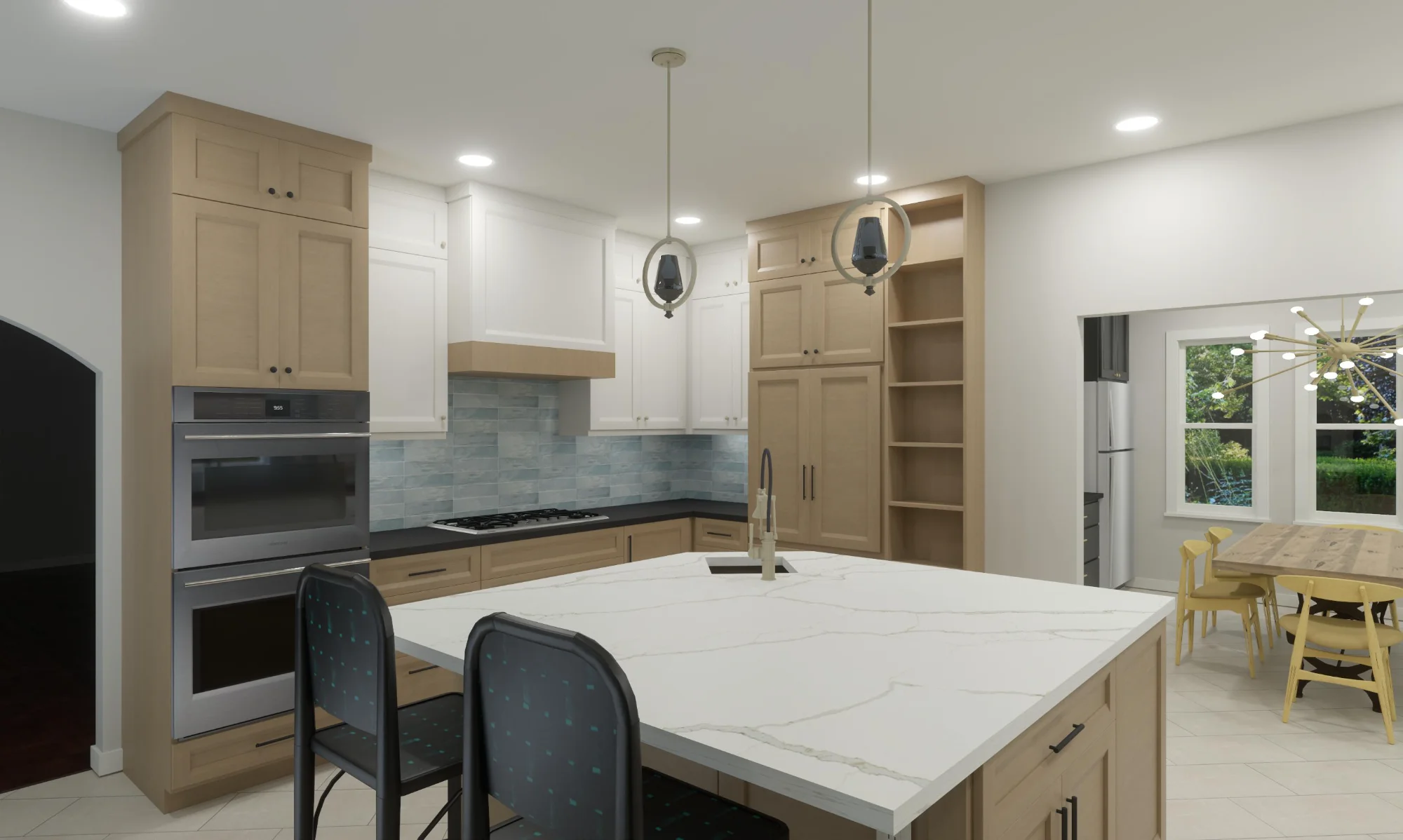
This is often the moment the project becomes real. The 3D presentation is where your design document takes visual form for the first time, and where an idea that has lived in your imagination finally becomes something you can actually see and respond to.
Renderings and layout plans give everyone on your project team a shared visual reference to return to throughout the entire build. Questions that might otherwise surface mid-construction, about a layout that doesn't feel right or a finish direction that looks different in context, get resolved here, while changes are still simple and nothing has been built yet.

The selection phase is where your design document moves from conceptual to contractor-ready, and where the decisions you may have underestimated begin to accumulate. There are more of them than you might expect, and the detail required for each one is more specific than you might think.
As materials, finishes, fixtures, and appliances are chosen, every decision is recorded in the specification sheets with the level of detail your contractor needs to price accurately. The difference between a herringbone tile pattern and a straight stack, a marble slab with a specialized edge and an integrated sink versus basic quartz with a standard edge, these details change the numbers significantly. Each specification added to the document brings the estimate closer to the actual cost, closing the gap so nothing catches you off guard once construction is underway.
The more complete your document at this stage, the more trustworthy the estimate it produces.
Once your selections are documented, the design document is reviewed in full and measured against your budget. If any choices push the project beyond its established parameters, adjustments happen here, while everything is still on paper and nothing is permanent. This is also where every specified material is confirmed and ordered.
That last step matters more than it might seem. Starting construction before everything is selected and ordered is one of the most common and preventable causes of remodeling delays. When a material arrives late or a decision gets pushed to mid-build, trades have to be rescheduled, and timelines stretch in ways that are difficult to recover from. The refine phase exists to make sure that every decision has been made and every order is placed before your contractor begins. The build phase should feel like execution, not improvisation.
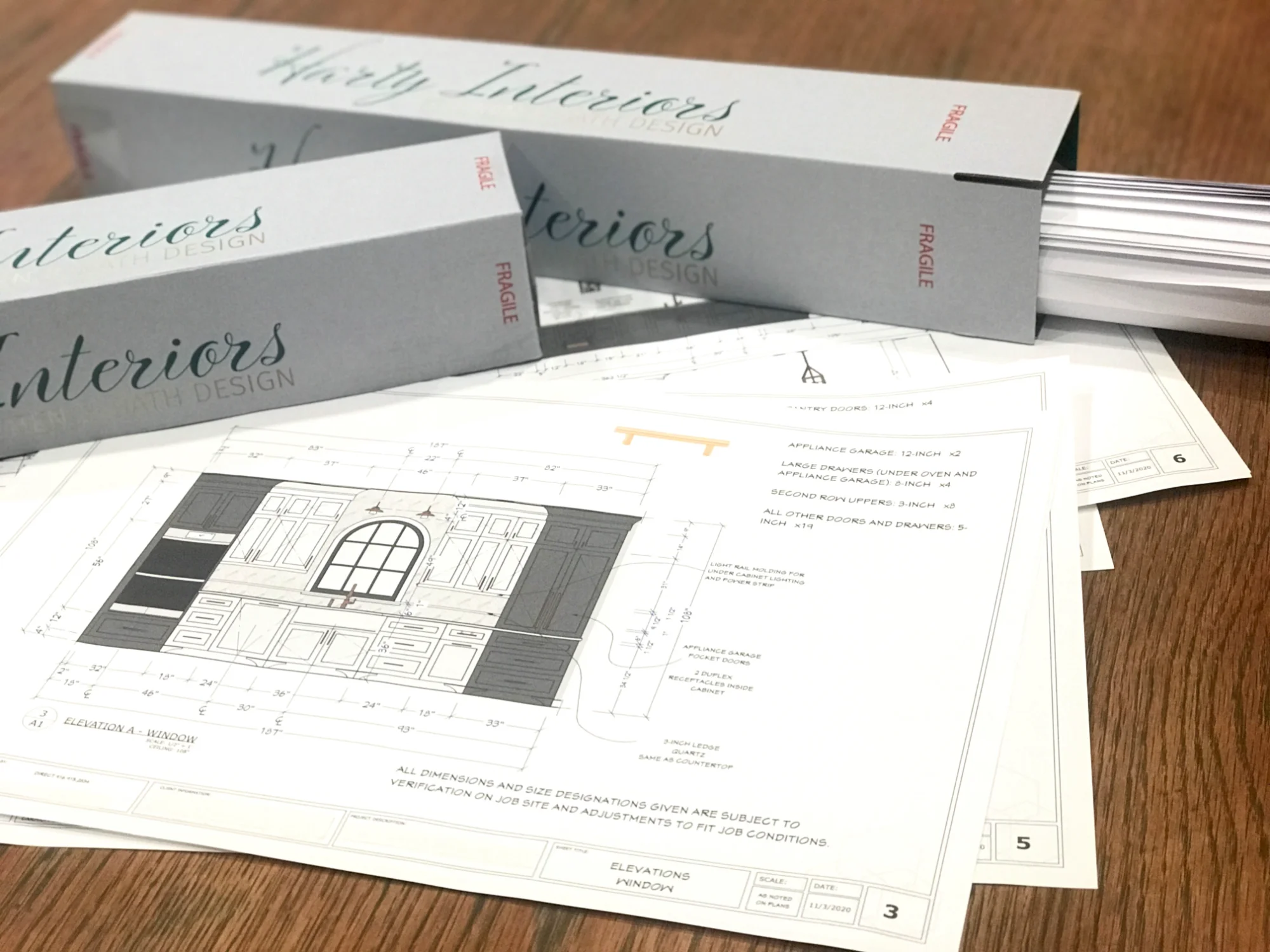
By the time construction begins, the MasterPlan has evolved into a full construction document set: floor plans, electrical plans, elevations, detailed specification sheets, and a printed project binder with a live QR code linking to the most current version. This is the document your contractor and every subcontractor will work from. The more complete it is, the less room there is for costly interpretation.
If you are managing your own project, this is where thorough documentation pays particular dividends. When everything is specified in writing, your contractor and trades can work with confidence without you needing to be available at every turn to answer questions that the document has already addressed. The document becomes a proxy for your presence and intention on site.
Budget tracking continues throughout the build as well, so if any decision threatens to push the project over budget, that conversation happens before the purchase, not after. Decisions stay intentional rather than reactive.
When construction is complete, your full document set is handed over as a permanent record: final plans, specifications, a maintenance and cleaning guide for every material and finish, and complete appliance documentation. Every decision that shaped your home is captured in one place, a resource that continues to serve your family long after the project is done.
It is worth being honest about what the alternative looks like, because it is more common than it should be.
Some contractors begin demolition before a design is approved, a budget is confirmed, or you have agreed to a scope in writing. The contract is signed, and the walls come down. It feels like momentum, but it’s actually exposure. Once the walls are down, there is no leverage. The project moves forward under whatever conditions emerge, and the final cost often bears little resemblance to the original conversation. Projects that began without a clear budget expectation can end up costing two or three times the original estimate.
This is not hypothetical. It happens, and it almost always traces back to the same root cause: too many unknowns, too little documented, and decisions made too late in the process.
A thorough design document puts your important decisions in writing before anything is permanent, gives every person on your project team a shared foundation to work from, and dramatically shrinks the space where surprises can hide. Whether that document is created with a designer or independently, its presence changes the entire character of a project.
There is a version of interior design centered on a designer's aesthetic vision, spaces built around a particular look that photographs well and signals a point of view. That approach works for some clients. It is not the approach here.
A home that truly works is one designed around the people who actually live in it. Not an idealized version of your daily routine, but the real one, with its rhythms, its practical demands, and the small functional details of everyday life.
Your design document is how that intention travels intact from a first conversation to a finished room. It is how a decision made early in the process, about a snack station, a traffic flow, or a lighting zone, shows up correctly when the relevant trade arrives weeks later. It is how your kitchen becomes not just something that looks right but something that feels right for your family every single day.
That level of care requires documentation. Because when intention and clarity work together, a good idea becomes exactly the home you imagined.

Every successful remodel begins the same way: with a plan that turns your vision into something real, specific, and buildable. The MasterPlan is where that clarity begins, whether you are working with a full-service design team or taking the reins yourself.
If you are ready to work with a full-service design partner, we would love to walk you through our process from consult to handover. If you are managing your own project and want a professional planning foundation to take to your contractor, our standalone MasterPlan service gives you exactly that.
Either way, we would love to help you get started. Reach out to start the conversation.


A design document is a written and visual record of everything going into your remodel: layout, scope of work, materials, finishes, fixtures, and appliances. It gives your contractor something specific to price and gives every trade a shared plan to work from. At Harty Interiors, this document begins as the MasterPlan and grows into a full construction set.
The Harty Interiors process moves through six phases: Consult, Design, Present, Select, Refine, and Execute. Each phase builds out the design document, starting with an in-home consult that captures how your family lives and ending with a contractor-ready construction set. By the time building begins, every selection has been made and every material has been ordered.
Inspiration images leave too many questions open, such as layout, materials, appliances, and finish level. Contractors cover those unknowns with higher estimates, general allowances, or change orders once work is underway. The more your plan documents before construction, the more accurately your project can be priced and the fewer surprises appear during the build.
Yes. Starting construction before materials are selected and ordered is one of the most common causes of remodeling delays. When a finish arrives late or a decision slips into the build, trades must be rescheduled and timelines stretch. Harty Interiors confirms and orders every specified material during the Refine phase, so the build can focus on execution.
A complete construction document set from Harty Interiors includes floor plans, electrical plans, elevations, detailed specification sheets, and a printed project binder. The binder has a live QR code that links to the most current version of the plans. Your contractor and every subcontractor work from the same up-to-date information.
Yes. For homeowners in Sacramento, Northern California, and Lake Tahoe who plan to manage their own project, the standalone MasterPlan provides a documented design concept, a realistic budget assessment, and a clear plan to take to your contractor. With thorough documentation, your trades can work confidently without needing you on site to answer every question.
At handover, Harty Interiors provides a permanent record of your project: final plans, specifications, a maintenance and cleaning guide for every material and finish, and complete appliance documentation. Every decision that shaped your home is kept in one place, ready for your family whenever a question comes up years later.
